Why Does Von Baer Never Run Sales or Discounts?
When a bag costs four figures, it is natural to look for a coupon before checking out. But Von Baer’s stated approach is different: the brand does not run sales or discounts. That no discounts policy can feel unusual in a market where seasonal promotions are common, so it helps to understand what the policy signals—and what it does not.
It is not proof that every bag is worth its price, nor does it mean shoppers should skip the practical checks. For a work bag, especially one that travels, the important questions are still specific: Does the laptop compartment fit your actual computer? How heavy is the empty bag? Can you carry it comfortably through an airport? Does its structure suit your meetings? And are the materials and construction right for how you will use it?
This guide looks at Von Baer’s pricing strategy through those questions, with a comparison of full-grain leather and common travel-bag fabrics. It also covers the sort of measurements that matter more than a polished product photograph.
What a “No Discounts” Policy Means
A brand that does not discount is choosing to keep its pricing consistent rather than using promotions to create urgency or reward shoppers who happen to buy during a sale window. That can make the buying experience more predictable: the listed price is the price, rather than a starting point that may be reduced next month.
That is the basic logic behind a no discounts policy. It is a brand pricing strategy, not a product feature. It does not tell you whether a bag is comfortable, durable, or a good fit for your laptop. Those points must be judged from the specifications, construction details, warranty terms, and your own use case.
In the premium leather market, full-grain hides, skilled cutting and stitching, hardware, and small-batch production can all contribute to a higher price. But materials alone do not settle the value question. Two bags can both use full-grain leather and differ greatly in weight, organization, edge finishing, quality control, and service after purchase.
What the Price Example Looks Like
Product Listed price example Pricing note Von Baer City Large Leather Laptop Bag $1,795 Brand never runs sales or discounts (per article).At $1,795, this is a considered purchase, not an impulse buy. If the price is firm, the shopper’s leverage shifts away from waiting for a promotion and toward doing careful homework: confirm the dimensions, check the empty weight, understand the return terms, and decide whether leather is the right material for your travel routine.
That is also how to compare Von Baer with established business-luggage names such as Tumi and Briggs & Riley. Look at specific models rather than assuming that one brand’s price or reputation automatically makes it the better choice. A lighter nylon bag may be better for frequent airport walking; a structured leather brief may be the right tool for client-facing work.
Start With Laptop Fit, Not the Laptop Label
“Fits a 16-inch laptop” is not enough information on its own. The screen measurement describes the display diagonally; it does not give you the computer’s outside width, depth, thickness, or the clearance needed to slide it into a sleeve. Two laptops marketed at the same screen size can have different chassis dimensions.
Before buying, measure your laptop at its widest, deepest, and thickest points, including any protective case you intend to leave on. Then compare those figures with the bag’s stated laptop-compartment dimensions—not just its exterior dimensions. Allow a little clearance. A snug sleeve can be awkward to use, especially when the bag is stiff or the opening is narrow.
- Check the compartment opening. A compartment may be large enough once the laptop is inside but too narrow at the zipper or top edge.
- Look for padding and protection. Confirm whether the sleeve is padded on all sides and whether the laptop sits above the bottom of the bag.
- Count usable pockets. A pocket is useful if it fits the item you carry and can be reached without unpacking the bag. Marketing pocket counts do not tell you that.
- Consider chargers and documents. A laptop may fit while a power brick, notebook, and headphones make the main compartment too crowded.
If a product page does not publish the laptop sleeve’s internal dimensions, ask for them before ordering. For a high-priced bag, “fits most laptops” is not a meaningful substitute for measurements.
Empty Weight Is a Comfort Specification
I always check empty weight before praising a bag. A leather briefcase can feel substantial and reassuring in a boardroom, but it starts every trip with that weight before you add a laptop, charger, documents, water bottle, and personal items. Over a long airport walk, that difference matters.
For a fair comparison, put the bag’s empty weight beside its capacity and your typical load. Then think about how you carry it: by hand, over the shoulder, or on a rolling suitcase. A detachable shoulder strap, broad contact area, and a stable handle can improve comfort, but they cannot make an unnecessarily heavy bag weightless.
Check whether the manufacturer publishes the bag’s weight. If it does not, ask customer service or look for a reliable retailer listing the same model and size. Do not infer weight from leather thickness, photographs, or the word “lightweight.” If you cannot verify the empty weight, treat that as missing information rather than a minor detail.
Travelers should also check the airline rules that apply to their itinerary. Southwest’s carry-on baggage policy page explains its carry-on and personal-item rules. A briefcase’s fit depends on its packed dimensions and the airline’s current limits—not on a brand’s claim that it is “travel friendly.” Rules can change, so verify the policy before departure.
Boardroom Structure and Aesthetics
One reason people consider a premium leather bag is its appearance. A structured briefcase can keep papers from folding, give a laptop a more protected place, and present a composed look in a client meeting. Leather also develops a distinctive surface over time, although the way it ages depends on the hide, finish, use, and care.
Structure has trade-offs. A firm frame may help the bag stand upright and keep its shape, but it can reduce flexibility when packing. A stiff opening may make it harder to reach a charger or slip in a folder. A bag that looks sharp on a conference-room table should still work when you are moving quickly through security or carrying it between terminals.
For boardroom use, consider the details you will interact with every day: handle comfort, strap attachment points, zipper action, whether the base stands securely, and whether the interior has practical separation for a laptop and documents. A restrained design may suit formal meetings; a soft-sided nylon briefcase may be more at home on a weekly flight. Neither choice is universally superior.
Full-Grain Leather, Ballistic Nylon, Cordura, and Twill
Material names can be confusing because they describe different things. “Full-grain” refers to the part of the hide used and how its surface is treated; “ballistic nylon” and “Cordura” refer to textile families or branded fabric types; “denier” is a measure commonly used to describe fiber or yarn thickness. A higher denier number does not, by itself, guarantee a better bag.
Material Typical strengths Trade-offs to consider Full-grain leather Distinctive appearance, firm structure, and a surface that can develop character with use. Often heavier than fabric; may need care; quality varies by hide, finish, and construction. Ballistic nylon Common in travel bags; designed as a durable woven textile and often easier to carry than a comparable leather brief. Appearance is more technical than formal leather; durability depends on the fabric and bag construction. Cordura A family of durable fabrics used in bags and other gear; can suit frequent travel and everyday abrasion. “Cordura” alone does not specify the exact fabric, weight, coating, or construction. Twill A weave pattern with a diagonal texture; can offer a softer, less technical look. Twill describes the weave, not a specific fiber or performance level. Ask what it is made from.For background, see the relevant Wikipedia references on leather and leather grades, ballistic nylon, and denier. These are useful starting points for terminology, not product certifications or independent assessments of a particular bag.
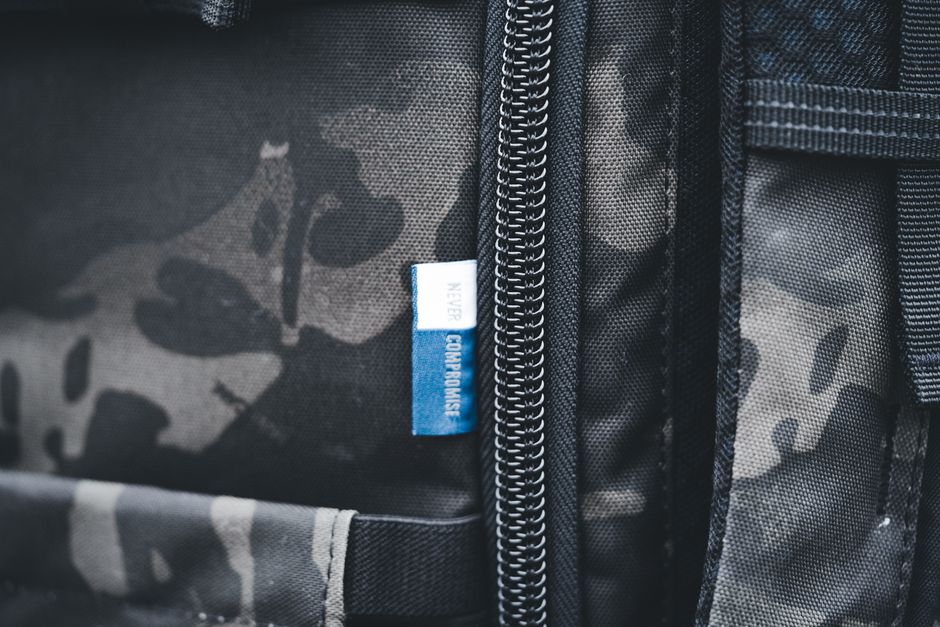
One detail I would not overlook is lining material. A maker can clearly describe the exterior while leaving the interior lining vague. Ask what the lining is made from, whether it is coated, and how it is attached. The lining is part of the bag’s everyday wear surface, and its material can affect feel, cleaning, and long-term durability.
How to Judge the Premium Leather Pricing
Premium leather pricing makes sense only if the bag’s complete package fits your needs. Before paying a fixed price, use this checklist:
- Confirm exact dimensions. Compare the interior laptop sleeve and opening with your computer, not just the advertised screen size.
- Find the empty weight. Compare it with alternatives you would actually carry, including Tumi or Briggs & Riley models in the same category.
- Assess usable organization. Count the pockets that fit your phone, passport, charger, keys, and documents—not every stitched slot.
- Inspect the materials. Check the leather description, lining, hardware, stitching, and any stated fabric specifications.
- Read the buying terms. Review delivery, returns, warranty coverage, and care guidance before ordering.
- Match the bag to the trip. Consider how often you fly, how far you walk, and whether you need a formal boardroom look or a lighter travel setup.
A discount can make an expensive bag feel more accessible, but it does not fix poor laptop fit, excessive weight, or inconvenient organization. Likewise, a firm price does not prove that the bag is well-made. The value comes from the match between its design and your work life.
So, Why Doesn’t Von Baer Run Sales?
In short, Von Baer’s no discounts policy is a choice about how it presents and maintains its pricing. The approach may appeal to buyers who prefer a consistent listed price over waiting for seasonal promotions. It may frustrate bargain hunters who expect a coupon or clearance event. Neither reaction changes the practical buying test.
For the Von Baer City Large Leather Laptop Bag at $1,795, make the decision on verified specifications and the experience you want from a work bag. Confirm the real laptop fit, get the empty weight, inspect the lining and materials, and consider whether leather’s structure and appearance justify carrying it on your regular routes. Compare it with azbigmedia.com specific Tumi and Briggs & Riley alternatives, and check your airline’s current baggage rules.
That is the most useful way to think about premium leather pricing and brand pricing strategy: not “Will it go on sale?” but “Does this bag earn its place in my weekly routine at the price listed?”