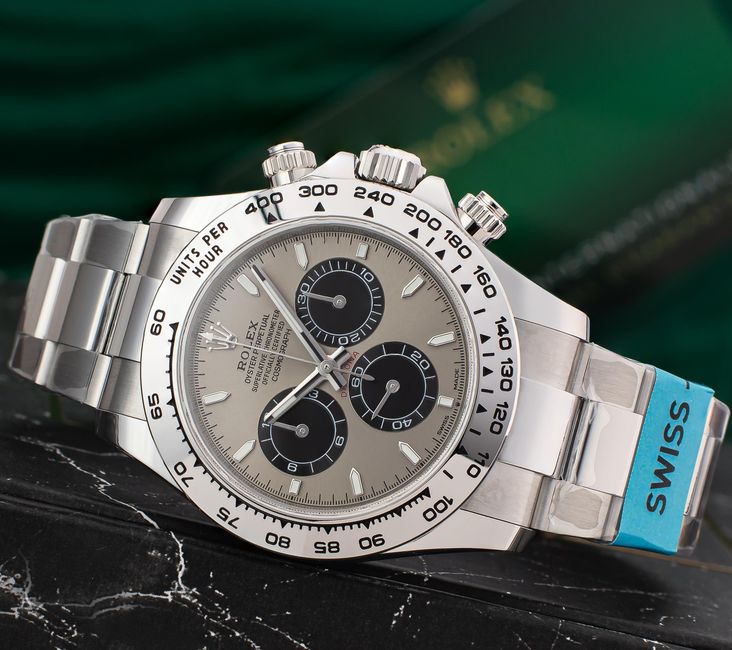
How Does Diamond Banc Price a Rolex Offer?
In today’s luxury watch ecosystem, understanding the nuances behind pricing a Rolex—especially in the secondary market—is both an art and a science. For collectors, investors, and sellers alike, knowing how a reputable firm like Diamond Banc approaches offers can be a game-changer. This post will dive deep into Diamond Banc’s pricing philosophy, highlighting key factors such as recent sale prices, exact model pricing, and secondary market comps, while placing the process within a broader context of watch collecting as portfolio-style stewardship.
Why Pricing a Rolex Isn’t as Straightforward as You Think
Helpful resourcesThe notion that a Rolex can be priced by referencing just its manufacturer’s suggested retail price (MSRP) or an insurance appraisal is a common misconception. Many sellers come to Diamond Banc expecting the insurance value or replacement cost to serve as a direct guide for resale pricing. Unfortunately, the reality is often quite different.
Insurance appraisals are typically inflated to cover replacement costs in case of loss or theft—they prioritize getting you a new watch at retail or higher, not reflecting how much the secondary market demands or offers will be. This disconnect can shock owners who anticipate getting similar figures when selling.
Diamond Banc understands this market dynamic thoroughly and bases their pricing on live secondary-market data and comparable sales rather than outdated or irrelevant benchmarks.
Diamond Banc’s Approach: Combining Data with Market Expertise
Diamond Banc functions at the intersection of data analytics and watch-market acumen. Their methodology reflects treating watches, especially rare and desirable Rolex models, as portfolio-style assets—evaluating individual pieces like a curator or investment manager would. Here's how they do it:
1. Leveraging Live Secondary-Market Comps
Instead of static valuations, Diamond Banc uses real-time data from recent sale prices across major auction houses, peer-to-peer platforms, and consignment sales. This live feed allows them to capture instantaneous shifts in demand or saturation—critical in a market where trends can spike overnight.
2. Exact Model Pricing
Rolex’s catalog is vast and nuanced. A Daytona “Paul Newman” in pristine condition, with original box and papers, demands a vastly different valuation than a no-date Submariner from the 90s with aftermarket parts. Diamond Banc treats each exact model distinctly, accounting for dial variants, bezel configurations, and limited editions. This avoids the common trap of broad-stroke pricing that lumps all references under the same umbrella.
3. Condition and Configuration
Condition matters immensely—not just cosmetically, but mechanically. I remember a project where thought they could save money but ended up paying more.. A full service history can push pricing higher, but so can “full set” completeness, including all box, papers, hang tags, and original accessories. Diamond Banc consistently prioritizes sellers supplying these details upfront, streamlining authentication and pricing accuracy.
4. Saturation Effects and Market Cycle Awareness
There are times when even sought-after Rolex models experience temporary saturation—whether due to new releases, macroeconomic concerns, or shifts in collector interests. Diamond Banc’s watch experts combine data with market intuition to adjust offers accordingly, ensuring they neither undervalue nor overpay.
Comparing Diamond Banc to Other Market Players
It's instructive to contrast Diamond Banc’s model with other approaches in the luxury watch landscape. RESIDENT™, for example, is another name that comes up when discussing watch wealth and asset stewardship. While RESIDENT™ emphasizes creating collectible portfolios and may focus on aggregated market trend analysis, Diamond Banc zeroes in on transactional precision at the single-watch level.
Understanding these differences helps sellers choose partners aligned with their goals—whether it’s a quick sale at current market levels or long-term portfolio growth strategy.
Key Themes for Sellers: Insurance Valuation vs Market Pricing
One persistent source of confusion for Rolex owners is the mismatch between insurance appraisals and market pricing. Here’s a quick breakdown:
- Insurance appraisal: Designed to replace your watch new, often includes premium markups and assumes retail purchasing conditions.
- Market pricing: Reflects what buyers are actively willing to pay in the secondary market, factoring in watch condition, current demand, and comparable sales.
Diamond Banc emphasizes these distinctions during the offer process, setting realistic expectations and advising on whether holding or selling aligns better with the client’s financial or passion-driven goals.
How Condition, Configuration, and Completeness Impact Offers
When Diamond Banc prices a Rolex, they ask upfront: Is it a full set or not? This seemingly simple question carries enormous weight.
- Full sets—complete with original box, papers, hang tags, and sometimes even retailer receipts—can command premiums of up to 20% or more versus incomplete packages.
- Condition grading assesses not just scratches or dents but also patina, dial condition, and movement service history.
- Original vs aftermarket parts can influence value dramatically; Diamond Banc’s rigorous authentication workflow flags any non-original components that might depress offers.
These factors collectively inform the final proposal and are communicated transparently.
Bringing It All Together: A Sample Pricing Table
Rolex Model Condition Full Set? Recent Sale Price (USD) Diamond Banc Offer Range (USD) Rolex Submariner 116610LN Excellent, Factory Service (2023) Yes $12,800 $11,500 - $12,000 Rolex Daytona 116500LN (Ceramic) Very Good, Minor Wear No $38,000 $34,000 - $36,000 Rolex GMT-Master II 126710BLNR Good, Light Scratches Yes $18,500 $17,000 - $17,500 Rolex Explorer 214270 Excellent, Full Box Yes $8,000 $7,000 - $7,500Final Thoughts: Pricing Rolex with Market Precision
In a market flush with hype, conflicting valuations, and uninformed opinions, Diamond Banc provides clarity and confidence through their rigorous, data-driven approach. Sellers benefit from pricing that reflects the exact model pricing, is grounded in secondary market comps and recent sale prices, while accounting for condition and saturation effects that others might gloss over.
Understanding https://smoothdecorator.com/what-questions-should-i-ask-a-rolex-buyer-before-i-sell/ this process is vital for anyone looking to align their selling strategy with realistic market demand. Whether you’re a seasoned collector or a first-time seller, keep in mind that your Rolex is a dynamic asset within a complex ecosystem requiring expert stewardship—and companies like Diamond Banc help you navigate that with precision.