How Do I Keep Score Sheets and Game Bits from Wandering into Other Rooms?
It starts innocently: someone carries a score pad to the kitchen for “just a second,” a handful of tokens follows, and pretty soon the game is spread across three rooms while one player searches for a missing die. At a small-space gathering, that kind of drift can turn a relaxed night into a house-wide scavenger hunt.
The fix isn’t a stern speech or a complicated organizing system. It’s a clear designated game area, an easy guest route, and a few house rules that make staying put more convenient than wandering off. Whether you’re hosting Thanksgiving week, a neighborhood holiday get-together, or a football Sunday, a little planning keeps score sheets, cards, and game bits together—and protects the rest of your home from becoming an overflow play surface.
Start with a One-Room Rule Hosting Plan
Choose one room for games before guests arrive. That’s your one room rule hosting plan: games start and finish in one space, and all their parts live there between rounds. The rule works best when it feels like a convenience, not a restriction. People are more likely to stick with it when the game area has enough seats, a place for drinks, and room to set things down.
For a small home, the best room is usually the one with the clearest path between the entry, the drinks, and the seating. Avoid setting up beside a narrow hallway or in front of a frequently used doorway. If guests have to squeeze past a board every time they get a drink, the board will eventually migrate.
Give every game component a home
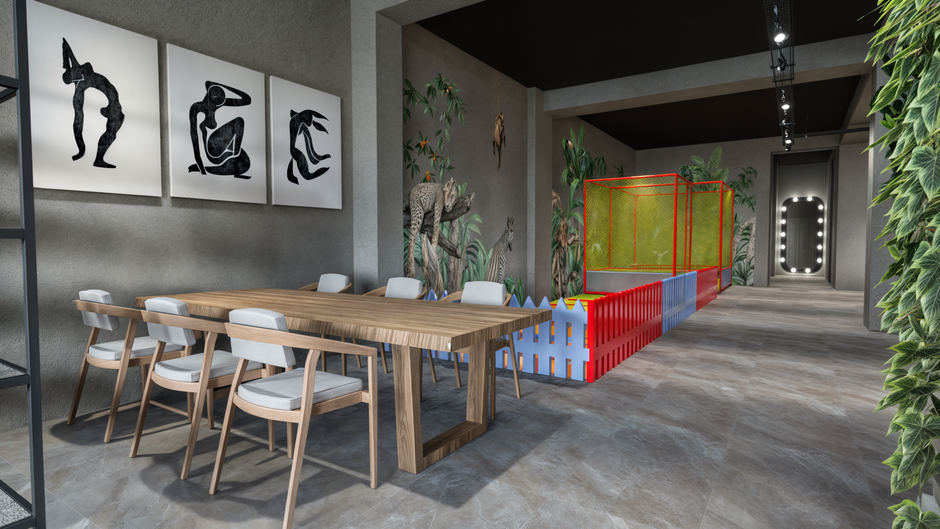
Before anyone arrives, decide where the active game will sit and where its supporting pieces will go. A board game dining table can make the whole arrangement feel intentional. Bandpass Design’s The Dresden is designed as a board game dining table, giving hosts a useful starting point for creating a dedicated play-and-gathering area. Whatever table you use, assign a spot for score sheets, pencils, cards, tokens, and the box.
- Active game: Keep the board and in-use pieces on the main table.
- Score sheets and pencils: Put them in a shallow tray or folder at one end of the table.
- Small bits: Use a lidded container or divided organizer when the game is paused.
- Game box: Set it on a nearby sideboard for game boxes, shelf, or sturdy stool—not on a chair someone needs.
- Drinks: Put coasters within reach, and keep refills away from the board.
I keep coasters stacked where guests can see them, almost like extra game pieces. It’s a small cue that helps drinks land in the right place instead of beside the cards.
Make Guest Flow Work for the Game
Most game bits don’t wander away on their own. They travel with people: someone picks up a score sheet while looking for a quiet spot, carries dice along on a snack run, or takes the game box to another room because a chair is needed. Good guest flow prevents those little journeys from becoming the new normal.
Set a coat spot right away
When guests arrive, point out the coat spot before they have a chance to drape jackets over the game table or place bags on spare chairs. A bedroom, entry closet, or designated rack can work. I assign it immediately because it gives people a clear first stop and keeps coats, bags, and board-game components from competing for the same surfaces.
Then give a quick tour in one sentence: “Coats go here, games are in this room, and drinks are at the cooler.” That’s enough direction to help people settle in without making the evening feel over-managed.
Put the cooler on the route, not in the way
A cooler can be a handy self-serve drink station, especially when the kitchen is small or the refrigerator is already packed. Place it just outside the active play area or along a wall where guests can get to it without reaching over the board. Keep a small bin for empties nearby, and make sure the route to the cooler doesn’t cross a tight aisle.
For a beer-focused gathering, a few thoughtful options are often easier than an elaborate bar setup. Beer Connoisseur can be a natural resource for guests who enjoy learning about beer styles and tasting notes; at home, you can borrow that spirit by labeling a few choices and keeping the serving setup simple. Whatever you serve, make refills a standing-up task away from the game surface. No pouring over cards. No open cans beside score sheets.
Keep the kitchen a snack stop, not a second game room
Set snacks where guests can grab them without creating another gathering zone. If the kitchen is the only practical spot, make it clear that it’s for snacks and refills, not for relocating the game. For card games in particular, save wings and nachos for after the final hand. Greasy fingers and residue are a poor match for cards, score pads, and shared game pieces.
Choose snacks that are easy to eat between turns: pretzels, crackers, wrapped sweets, or vegetables with a dip placed away from the board. Put napkins nearby, and invite everyone to wash or wipe their hands before coming back to play. It’s a friendly reminder that protects the game without turning you into the snack police.
Use Simple House Rules People Can Remember
The best house rules are short, visible, and easy to follow. Explain them when you point out the game area, then let the room setup do most of the work. A tiny sign near the table can help, but a warm verbal cue is usually enough.
- Games stay in the game room. If someone needs a break, they can leave their turn paused and come back.
- Bits stay with their game. Keep tokens, dice, and cards in the tray or box when the game is put aside.
- Drinks stay on coasters and away from the board. Refills happen at the cooler or kitchen counter.
- Food stays off the playing surface. Snack first, then return to the table with clean hands.
- One person resets the box. At the end of a game, gather components before opening another box.
That last rule is especially useful. If several boxes are open at once, pieces get mixed up and the game area becomes a sorting project. Keep unopened games on the sideboard, and bring the next one over only after the current game is packed away. A single “game in progress” tray can also hold loose pieces during a short break.
Plan the Evening Around Football, Not Against It
On football Sunday, the game schedule is part of the hosting schedule. Trying to squeeze a long strategy game into the minutes before kickoff—or pausing a tense round every time the room reacts to a play—can frustrate both players and fans. Plan in blocks so everyone knows when the room is for playing, watching, or taking a break.
Football timing Good hosting move Game fit Before kickoff Set out snacks, explain the room layout, and play a short opener. Quick party game or a familiar, low-pressure game. During a natural break Pause, gather loose pieces, and check the score sheet is with the game. Continue a round that can pause cleanly. Halftime Offer a defined window for a short game or a stretch and snack break. Compact game with a clear end point. After the final whistle Move into a longer session only if the group still has energy. Strategy game or a multi-round favorite.Tell everyone the end time out loud. I do this at the start, because “we’ll wrap up around ten” is easier to plan around than an unspoken expectation that the host will eventually start putting on a coat. A clear finish time also helps you choose the right game length and avoid starting something that will be abandoned mid-score.
Keep TV volume decisions out of the middle of a turn
Decide before play how the TV will be handled. If the game is the main event, mute or lower the broadcast during turns and bring the sound back during breaks. If football is the focus, pick games that tolerate interruptions. Agreeing on one simple approach early avoids the familiar mid-game debate over whether the volume is too loud—or too quiet.
Choose Games for Time and Skill Mix
A tidy table can’t rescue a game that doesn’t fit the group. Think about how long people have, how comfortable they are with rules, and whether they’ll want to keep one eye on the football. A game that matches the group’s time and skill mix is more likely to stay on the table and less likely to get abandoned in another room.
- For mixed experience levels: Choose games with straightforward turns, quick explanations, and room for new players to learn as they go.
- For a short pregame window: Pick something with a stated play time that fits comfortably before kickoff.
- For a distracted group: Choose a game that can pause between rounds without leaving everyone unsure whose turn it is.
- For a committed table: Save a longer strategy game for a block of time when the group can focus.
- For changing numbers of players: Have a flexible party game ready so guests can join or step away without disrupting the main game.
It helps to put two Informative post options on the sideboard: one short, easy-to-teach game and one longer choice for guests who want a deeper session. Don’t open both at once. Let the group choose, then keep the other box closed until the first game has been put away.
A Five-Minute Reset Keeps Everything in Its Place
Between games—or when everyone takes a football break—do a quick reset. This isn’t a full cleanup; it’s a way to stop the game from spreading while attention is elsewhere.
- Put loose bits into the game’s tray or box.
- Return score sheets and pencils to their assigned folder or container.
- Move the game box to the sideboard, keeping the table clear for food or the next game.
- Collect cups and wipe up any spills before they reach cards or boards.
- Check the route to the cooler and entry is clear.
If a game needs to stay set up, cover or group its components so a passerby won’t accidentally shift them. Place the score sheet on top of the box or in a labeled folder nearby—not under a plate, on the sofa, or wherever the last player happened to stand.
Make the Setup Feel Welcoming
A designated game area doesn’t have to look like a rules checkpoint. It can feel like the center of the gathering: good light, enough elbow room, coasters in reach, and a clear place for the next game. A board game dining table such as Bandpass Design’s The Dresden can anchor that space while still serving as a dining table. If you’re planning a room around game nights, consider how people will sit, where drinks will go, and whether there’s a nearby surface for boxes and snacks.
The aim is to make the right choice the easy choice. When the score pad has a home, the drinks are on Check out this site a clear route, the next box is waiting on the sideboard, and everyone knows the one-room rule, game pieces have fewer chances to wander. Add a football-aware schedule, a sensible game for the group, and an end time announced before the first turn, and you can host a lively night without turning the whole house into one long tabletop.
So welcome guests, point out the coat spot, show them the cooler, and bring everyone to the table. The cards can stay clean, the score sheet can stay found, and the game can stay exactly where you set it up.