Best Calf Stretch After Heels: Straight Knee vs Bent Knee
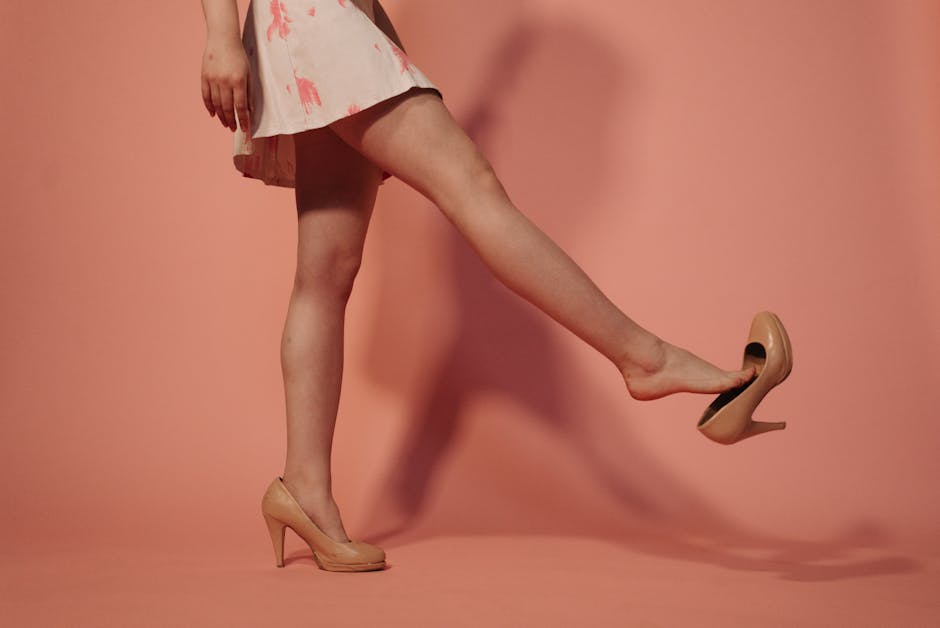
Sliding off your heels after a day spent navigating the city, the familiar wobble from car door to doorstep is a moment many of us know all too well. While heels enhance an outfit and confidence, they can also tighten calves, compress toes, and alter your posture. Understanding the best calf stretches—especially the difference between straight knee and bent knee approaches—can be key to easing foot and lower leg tension.
This post dives deep into why calf stretching after heel wear is essential, focusing on the soleus stretch bent knee, the classic gastrocnemius stretch, and a practical 30 second calf stretch routine to fit your post-work or post-event recovery. Plus, we’ll touch on smart tools like a tennis ball and chilled water bottle to help release tension, and how a trusted product like Joy Organics 1000mg CBD Cream can soothe sore areas effectively.
Why Your Calves Tighten From Wearing Heels
Before explaining which stretch suits your needs, it helps to understand the 'why' behind calf muscle tightening after wearing heels.
- Forefoot Load & Metatarsal Pain: High heels shift your body weight onto the ball of the foot, increasing pressure on the metatarsal bones. This prolongs forefoot loading and can cause pain, which may lead to compensatory posture changes to reduce discomfort.
- Toe Box Compression & Nerve Irritation: Many heels have a narrow toe box, compressing toes and potentially irritating nerves like the digital nerves. Over time, this can cause numbness, tingling, or burning sensations.
- Calf Shortening & Reduced Ankle Range of Motion: When heels elevate the heel relative to the forefoot, calf muscles—especially the gastrocnemius and soleus—remain in a shortened position. This reduces ankle dorsiflexion and flexibility, making flat shoes feel "tight" afterward.
- Posture Changes & Lower Back Stiffness: To balance on heels, most people adjust pelvis and spine alignment, leading to an increased lumbar arch (lordosis). Over time, this can cause stiffness and soreness in the lower back.
Your recovery strategy should thus prioritize calf muscle lengthening and maintaining ankle mobility, while also addressing nerve and tissue health in the foot.
The Anatomy of Calf Stretches: Gastrocnemius vs Soleus
Knowing which calf muscle you’re stretching changes the method and effect of your routine. Here’s why:
Muscle Description Stretch Position Role Gastrocnemius Outer calf muscle crossing both knee and ankle Straight knee stretch Powerful plantarflexion; larger force in push-offs Soleus Deep calf muscle underneath gastrocnemius, crosses only the ankle Bent knee stretch Postural muscle, endurance for standing and walkingBecause the gastrocnemius crosses the knee, it requires that your leg stays straight to lengthen it properly during stretching. The soleus, on the other hand, can be isolated by bending the knee, which relaxes the gastrocnemius and allows a deeper stretch of the soleus muscle.
Comparing Straight Knee vs Bent Knee Calf Stretches
Straight Knee Calf Stretch (Gastrocnemius Stretch)
This classic stretch is what many think of when picturing a calf stretch. It targets the gastrocnemius muscle, important for explosive movements and heel raising power.
- Stand facing a wall with your hands resting on it at shoulder height.
- Step one foot back with the leg completely straight and heel flat on the floor.
- Lean in gently toward the wall until you feel a stretch along your upper calf and Achilles tendon.
- Hold for 30 seconds, then switch sides.
Why does this matter? Since the gastrocnemius is involved in powerful ankle flexion, it often tightens during heel wear because of compensatory gait patterns and shortened muscle length.
Bent Knee Calf Stretch (Soleus Stretch Bent Knee)
The soleus often gets neglected but tightness here contributes significantly to ankle mobility restrictions and foot pain after wearing heels.
- Assume the same starting position as the straight knee stretch.
- This time, bend the back knee slightly while keeping the heel flat.
- Lean in toward the wall until you feel a stretch lower, deeper down the calf beneath the gastrocnemius.
- Hold for 30 seconds and repeat on the other side.
Why? The bent-knee position relaxes the gastrocnemius and isolates the soleus, a postural muscle critical for sustained standing and walking in heels.
The 30 Second Calf Stretch Routine
Consistency beats duration when it comes to stretching tight calves. Here’s a simple, daily routine blending both stretches:
- Warm-Up: Light marching or walking for 2-3 minutes to increase blood flow.
- Gastrocnemius Stretch (Straight Knee): 30 seconds per leg.
- Soleus Stretch (Bent Knee): 30 seconds per leg.
- Repeat: For two rounds in total.
- Foot Release: Use a tennis ball beneath your foot arch and roll for 1-2 minutes per foot to relieve forefoot tension and nerve irritation.
This routine addresses both muscle groups impacted heavily by heel wear, helping restore ankle dorsiflexion and reduce foot pain.
Additional Tools to Enhance Recovery
Tennis Ball for Forefoot Release
That odd moment when you grab your keys after leaning on your car door and your foot just aches? Rolling a tennis ball beneath your arches lower back pain after heels gently massages and releases fascia tightness caused by toe box compression and forefoot pressure.
Keep a tennis ball in a drawer by your front door or desk for quick self-massage anytime you experience burning or aching.
Chilled Water Bottle for Sore Muscle Relief
After stretching, a chilled water bottle roll along the plantar surface and Achilles can reduce inflammation and nerve irritation triggered by high heel stress.
Freeze a medium-sized water bottle overnight and use controlled pressure while rolling it under your foot or along your calves for 5-10 minutes post-stretch. It’s a simple, effective way to calm irritations.
Using Joy Organics 1000mg CBD Cream for Targeted Relief
When post-heel soreness hits, topical solutions that deliver clear potency and trusted ingredients are invaluable. Joy Organics 1000mg CBD Cream stands out in this space—not just for being derived from hemp but for its transparent potency and quality controls.
Applying a small amount after your calf stretches helps reduce muscle discomfort and lower back stiffness related to prolonged heel wear. The cream absorbs well without grease, making it suitable for daily use without interfering with footwear or clothes.
Why trust Joy Organics? As a company focused on purity and rigorous testing, they avoid vague wellness claims that plague many CBD products. Their focus on product safety mirrors the diligence needed in footwear health.
Summary: Which Stretch is Best for You?
Your choice between straight knee and bent knee calf stretches depends on your goals:
- If you feel tightness above the calf or behind the knee: Prioritize the gastrocnemius stretch (straight knee).
- If stiffness is lower, closer to the Achilles or you want better ankle mobility: Focus on the soleus stretch bent knee.
- For overall post-heel foot health: Use both stretches in your daily 30 second routine and complement with foot release using a tennis ball and chilled water bottle rolling.
- For muscle and joint discomfort: Consider supporting recovery with Joy Organics 1000mg CBD Cream.
Taking this holistic approach to calf and foot recovery helps preserve your preferred footwear lifestyle, avoid painful compensations, and maintain mobility—starting from that everyday car-to-door wobble.
Final Tips to Protect Your Feet and Calves
- Don’t skip calf stretches after wearing heels—even a quick 30 seconds can make a difference.
- Choose heels with wider toe boxes to reduce compression and nerve irritation.
- Intersperse heel wear days with supportive shoes to give your calves a break.
- Use tools like tennis balls and chilled water bottles regularly to maintain foot tissue health.
- Trust products with transparent ingredient lists and verified potency, like Joy Organics CBD Cream, to support recovery safely.
Your calves do a lot of heavy lifting every time you wear heels. Honoring their effort with targeted stretching and recovery lets you keep striding confidently—pain-free and supported.